
Decision 1

Describe the intended interaction

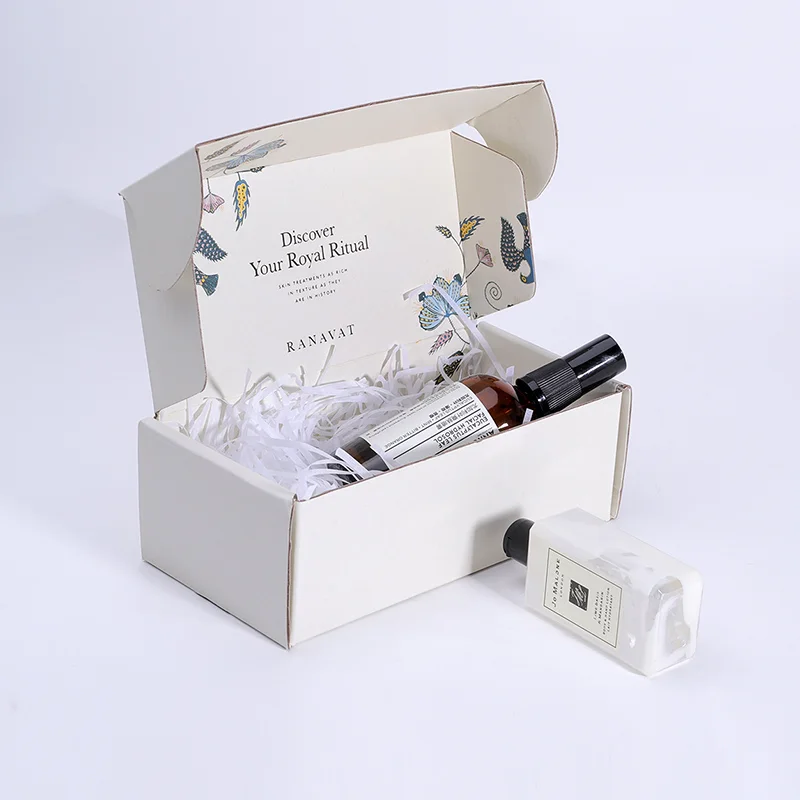
Decide what the customer should see, read or remove first. Compare graphics, inserts and cards using a loaded prototype rather than attributing sales or engagement results to a design feature.

Decision 2

Run an observable review

Ask reviewers to open the sample and find the intended information. Record blocked messages and awkward actions, revise the design and keep the approved opening sequence with the packing instruction.

Further reference views
Packaging design: presentation, structure and use — archive photograph 2
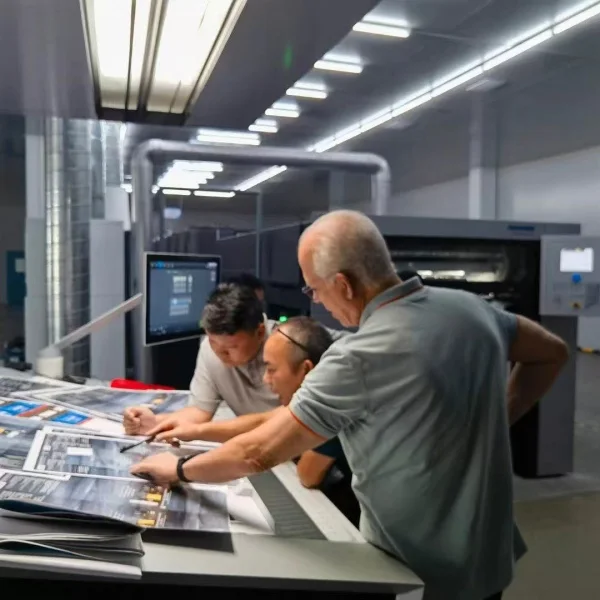
Image from this historical source news record. Product suitability, event participation and source claims require confirmation; no upcoming attendance is announced.
Packaging design: presentation, structure and use — archive photograph 3
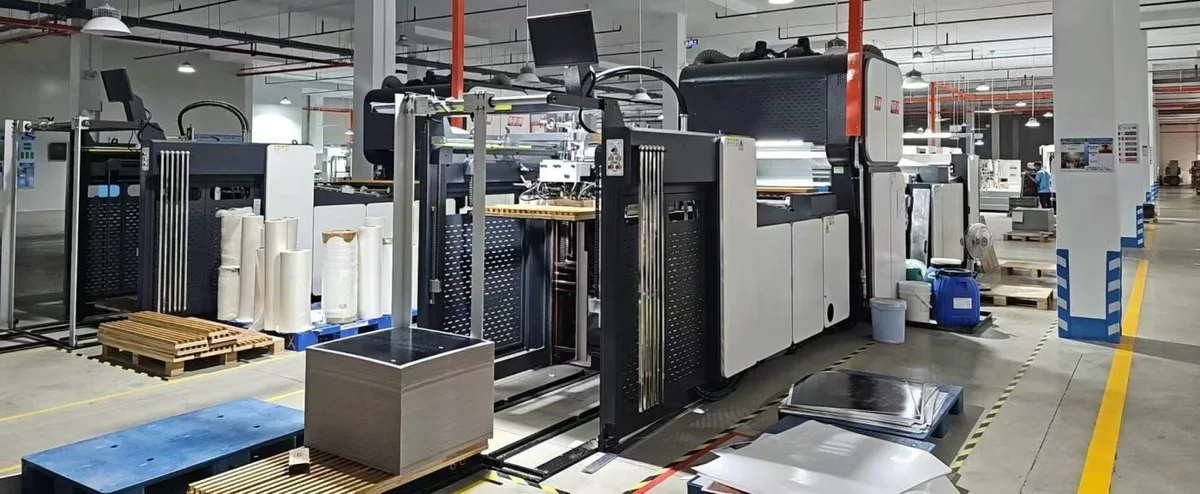
Image from this historical source news record. Product suitability, event participation and source claims require confirmation; no upcoming attendance is announced.
Packaging design: presentation, structure and use — archive photograph 4
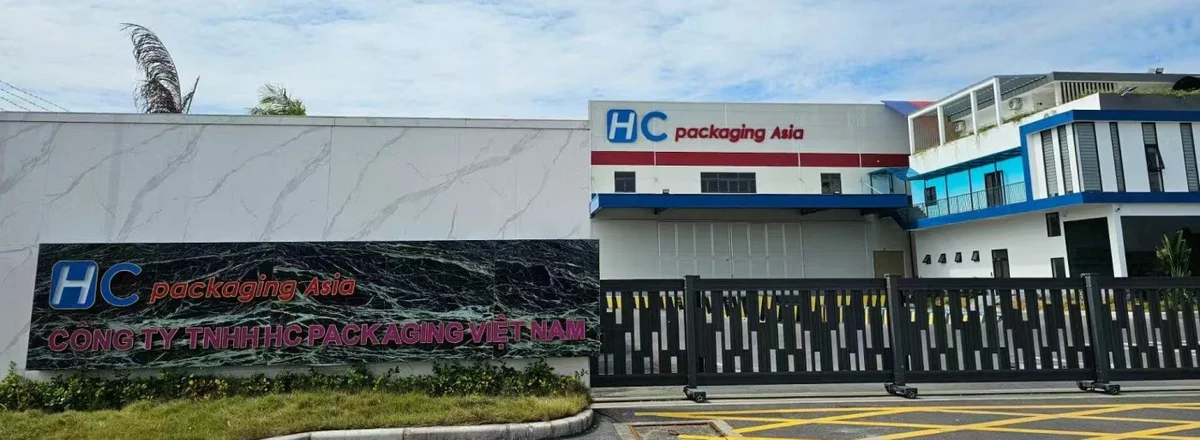
Image from this historical source news record. Product suitability, event participation and source claims require confirmation; no upcoming attendance is announced.
Packaging design: presentation, structure and use — archive photograph 5
Image from this historical source news record. Product suitability, event participation and source claims require confirmation; no upcoming attendance is announced.

Turn the method into a sample brief

Bring the result of “describe the intended interaction” and “run an observable review” to the packaging discussion. Share the real contents, relevant drawings and the decision still to resolve.

Discuss this packaging task → (opens in a new tab or window)WhatsApp